One System, Two Seasons: Heat Pumps in Sewell, NJ
A single piece of equipment that heats your home through a January cold snap and cools it during a humid July afternoon changes how you think about climate control. That is the appeal of a heat pump, and it is the reason more homeowners in Sewell are asking us about them each year. Instead of burning fuel to create heat, a heat pump moves heat from one place to another. In winter, it pulls warmth from the outdoor air—even when temperatures feel bitterly cold to you—and transfers it inside. In summer, it reverses the process and carries heat out of the house.
Understanding how this works matters because it affects the comfort you feel every day and the energy you pay for every month. At W.B. Steward & Son, we spend time explaining the technology so you can make an informed choice rather than simply accepting a sales pitch. A heat pump is not the right answer for every home, but for many properties in Gloucester County it offers an efficient, flexible, and quiet way to stay comfortable year-round.
How a Heat Pump Actually Moves Heat
The core principle behind every heat pump is refrigeration. A refrigerant circulates through a closed loop, changing between liquid and gas states as it absorbs and releases heat. When the refrigerant evaporates, it absorbs thermal energy. When it condenses, it gives that energy up. By controlling where these phase changes happen, the system decides whether your home gets warmer or cooler.
During the heating cycle, the outdoor coil acts as the evaporator. Cold outdoor air still contains usable heat, and the refrigerant absorbs it. A compressor then raises the pressure and temperature of that refrigerant, and the indoor coil releases the gathered warmth into your living space. A component called a reversing valve lets the system flip this flow for summer cooling. That single valve is what makes a heat pump a true all-season appliance rather than a one-season furnace or air conditioner.
Because the equipment transfers existing heat instead of generating it through combustion, it can deliver several units of heat energy for every unit of electricity it consumes. This ratio is why efficiency ratings for heat pumps often look remarkable compared to traditional electric resistance heating.
Reading the Technical Specifications That Matter
When we evaluate a heat pump for a Sewell home, several ratings guide the recommendation. Knowing what these numbers mean helps you compare equipment honestly rather than relying on marketing language alone.
- SEER2: This measures cooling efficiency across a full season. A higher SEER2 rating means the unit uses less electricity to remove the same amount of heat during warm months.
- HSPF2: This rates heating efficiency over a season. For our climate, where winters are genuinely cold, a strong HSPF2 number has a direct effect on your comfort and your energy use.
- Capacity in BTUs or tons: This describes how much heating or cooling the system can produce. Oversized equipment short-cycles and wastes energy, while undersized equipment struggles to keep up.
- Compressor stage: Single-stage, two-stage, and variable-speed compressors behave differently. Variable-speed models adjust output precisely, holding steady temperatures and running quietly.
- Defrost control: In cold weather, frost can form on the outdoor coil. Smart defrost cycles clear that frost efficiently without wasting excess energy.
As a Bryant Factory Authorized Dealer, we install equipment that meets these specifications reliably, and we match the capacity to your home through careful load calculation rather than guesswork. Proper sizing is one of the places where other installers cut corners, and it is one of the problems we routinely correct.
The Installation Process From Start to Finish
A heat pump installation is more than setting a box outside and connecting a thermostat. The quality of the installation determines how well the equipment performs for the next fifteen years, so we approach each project in stages.
First comes the assessment. We measure your home, review insulation and window conditions, inspect existing ductwork, and perform a heat-loss and heat-gain calculation. This tells us the true capacity your home needs. Guessing based on square footage alone leads to the oversizing and undersizing problems that plague so many systems.
Next, we plan the layout. The outdoor unit needs clearance for airflow and drainage, and it should sit where defrost runoff will not create ice hazards. Indoor components and refrigerant lines follow a route that minimizes bends and keeps line lengths within specification. We also confirm that your electrical panel can support the equipment safely.
Then comes the installation itself. We mount the outdoor unit on a stable pad, set the indoor air handler or coil, run and insulate the refrigerant lines, and make the electrical connections. Before we charge the system with refrigerant, we evacuate the lines to remove moisture and air that would otherwise reduce performance and shorten equipment life. Finally, we commission the system: verifying refrigerant charge, airflow, temperature splits, and control operation. We do not consider a job finished until the numbers confirm the system is running as designed.
Where Heat Pumps Fit in a Sewell Home
Heat pumps serve many different situations, and part of our job is matching the right configuration to your property. Some homes benefit from a central ducted system that replaces both an aging furnace and an old air conditioner in one step. Others, especially homes without existing ductwork, are ideal candidates for ductless mini-split systems that condition individual rooms or zones.
We also install dual-fuel systems that pair a heat pump with a gas or oil furnace. In these setups, the heat pump handles the mild and moderate temperatures efficiently, and the furnace takes over during the coldest stretches. This arrangement captures the efficiency of a heat pump while keeping the dependable heat output of combustion for the harshest nights. Additions, converted attics, sunrooms, and garages often get ductless units because extending existing ductwork would be impractical.
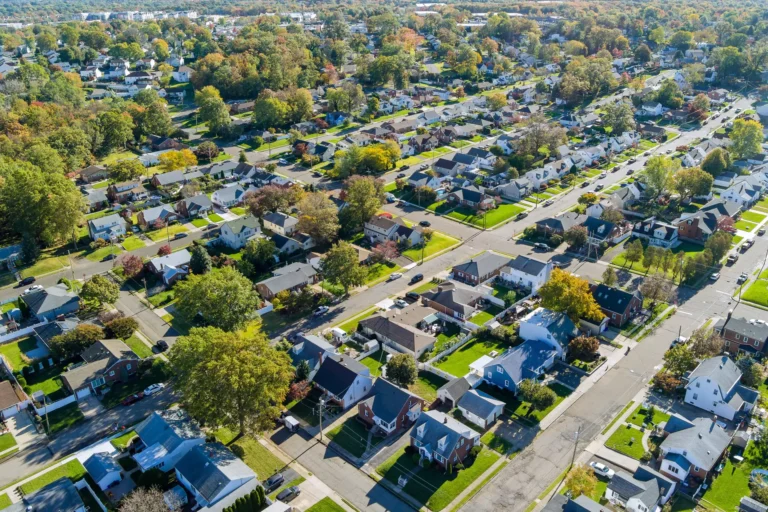
Across Gloucester City, Mantua Township, Mullica Hill, Wenonah, West Deptford Township, Woodbury, Deptford Township, Glassboro, Paulsboro, and Sewell, NJ and the surrounding area, we have installed systems for homeowners who wanted lower energy costs, quieter operation, cleaner indoor air, and the convenience of a single system for both seasons. The right choice depends on your home, your existing equipment, and how you use your space.
Service, Repair, and Getting to the Root Cause
A heat pump works hard every month of the year, so maintenance keeps it dependable. We recommend seasonal checks that cover refrigerant levels, coil cleanliness, airflow, electrical connections, and defrost operation. Dirty coils and low refrigerant charge are two of the most common reasons a heat pump loses efficiency, and both are easy to catch before they turn into expensive failures.
When something does go wrong, we do not simply swap parts and move on. A heat pump that keeps freezing, short-cycling, or struggling to heat usually has an underlying cause—a charge problem, an airflow restriction, a failing component, or a control issue. We fix problems that other companies won’t, and we trace symptoms back to their source so the repair actually lasts. That is the difference between a quick patch and a real solution.
We offer emergency service because a failed heat pump in the middle of winter is not something that can wait. We never leave someone in the lurch. The team at W.B. Steward & Son works to address repairs in a timely and convenient manner, while staying diligent and thorough. Over the years we have formed many lasting relationships with the people we serve—it is a little like having an HVAC technician in the family, someone you can trust to call on day or night.
Credentials, Financing, and Next Steps
Credentials matter when you are trusting a company with a system this important. Our qualifications include the following:
- NATE Certified: Our technicians hold industry-recognized certification that confirms their training and competence.
- National Comfort Institute Certified: We are certified Carbon Monoxide and Combustion Analysts, which matters for dual-fuel and combustion equipment.
- Bryant Factory Authorized: As an authorized dealer, we install and service equipment to the manufacturer’s standards.
We also offer financing and free estimates, so planning for a new heat pump does not have to be stressful. An estimate gives you a clear picture of the equipment, the installation scope, and the options available for your home before you commit to anything. W.B. Steward & Son is an elite team devoted to providing exceptional care for every customer, and that care starts with honest guidance long before any equipment is installed. When you are ready to talk about a heat pump for your Sewell home, we are ready to help you find the right answer.