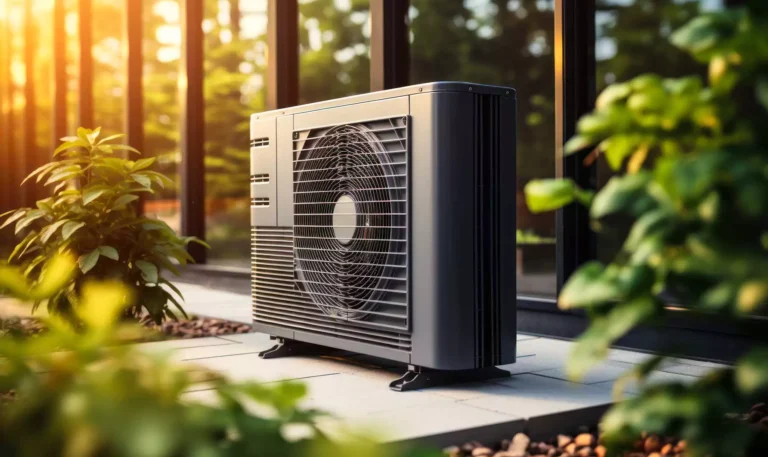
Understanding Heat Pump Technology and Benefits
Heat pumps represent one of the most efficient heating and cooling solutions available today, transferring heat energy rather than generating it through combustion. At W.B. Steward & Son, we specialize in installing, maintaining, and repairing these versatile systems that can reduce energy consumption by up to 50% compared to traditional furnaces and baseboard heaters. Our elite team understands the intricate mechanics of how these systems extract heat from outdoor air even in temperatures as low as negative 15 degrees Fahrenheit, making them viable year-round climate control solutions for homes throughout Gloucester County.
The fundamental principle behind heat pump operation involves refrigerant cycling through compression and expansion phases, similar to how a refrigerator works but with the capability to reverse the process. During winter months, the system absorbs heat from outdoor air through the evaporator coil, compresses the refrigerant to increase its temperature, then releases that concentrated heat inside your home. In summer, this process reverses, extracting heat from indoor air and expelling it outside. Our NATE certified technicians possess deep expertise in optimizing these systems for maximum efficiency, ensuring your heat pump operates at peak performance regardless of seasonal demands.
Types of Heat Pump Systems We Install and Service
Air-source heat pumps remain the most common installation choice, offering excellent efficiency ratings between 15 and 22 SEER for cooling and 8.5 to 13 HSPF for heating modes. These systems work exceptionally well in moderate climates and have improved dramatically in cold-weather performance over the past decade. As a Bryant Factory Authorized Dealer, we install premium models featuring variable-speed compressors that adjust output based on actual heating or cooling demands, preventing energy waste from constant cycling on and off.
Ground-source or geothermal heat pumps leverage the earth’s consistent underground temperatures, typically between 45 and 75 degrees Fahrenheit depending on location and depth. While requiring more substantial initial investment due to underground loop installation, these systems deliver unmatched efficiency ratings exceeding 400% in many cases. We offer free estimates for all heat pump installations, helping homeowners understand the long-term savings potential. Our team also specializes in hybrid systems that combine heat pumps with backup furnaces, ensuring reliable comfort even during extreme weather events when we offer emergency service to keep families safe and comfortable.
Key Components and Maintenance Requirements
Every heat pump system contains critical components that require regular attention to maintain optimal performance and longevity. The compressor serves as the heart of the system, circulating refrigerant and enabling the heat transfer process. Expansion valves regulate refrigerant flow and pressure, while reversing valves allow the system to switch between heating and cooling modes. Our National Comfort Institute Certified Carbon Monoxide and Combustion Analysts understand how each component impacts overall system efficiency and indoor air quality.
- Filter replacement every 1-3 months: Clean filters ensure proper airflow and prevent strain on the blower motor
- Annual professional inspections: Comprehensive system checks identify potential issues before they become costly repairs
- Coil cleaning twice yearly: Clean evaporator and condenser coils maintain heat transfer efficiency
- Refrigerant level checks: Proper charge levels maximize system performance and prevent compressor damage
Energy Efficiency and Cost Savings Analysis
Modern heat pumps achieve remarkable efficiency ratings that translate directly into lower utility bills for homeowners. The coefficient of performance (COP) for quality heat pumps typically ranges from 3 to 5, meaning they produce three to five units of heat energy for every unit of electrical energy consumed. We fix problems that other companies won’t, including addressing inefficiencies in older systems that newer technicians might overlook. Our financing options make upgrading to high-efficiency equipment accessible, allowing homeowners to start saving immediately while spreading installation costs over manageable monthly payments.
Operating costs for heat pumps generally run 30-40% lower than gas furnaces and 50-70% lower than electric resistance heating systems. Advanced features like smart thermostats and zoning capabilities further enhance savings by directing conditioned air only where needed. It’s about doing what’s right by our customers, which means providing honest assessments about potential savings and system payback periods. We never leave someone in the lurch when evaluating whether heat pump technology suits their specific needs and budget constraints.