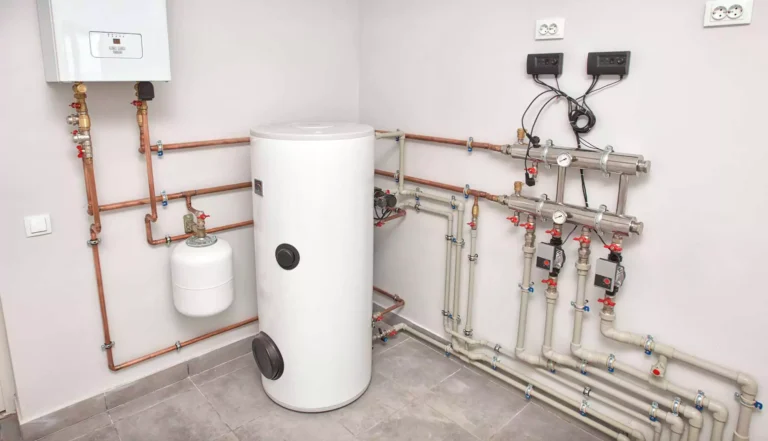
Understanding Your Hot Water Heater Options
When you’re facing a cold shower on a winter morning, you quickly realize how essential your hot water heater is to daily comfort. At W.B. Steward & Son, we specialize in comprehensive hot water heater services, from installation to repair and maintenance. Our elite team understands that choosing the right water heating system impacts both your comfort and energy bills for years to come.
Modern hot water heaters come in several configurations, each with distinct advantages. Traditional tank-style heaters store between 30 and 80 gallons of heated water, maintaining temperature around the clock. These systems use either natural gas, propane, or electricity to heat water through burner assemblies or heating elements. The insulated tank keeps water at your preset temperature, typically between 120 and 140 degrees Fahrenheit, ensuring hot water is ready whenever you need it.
Tank vs. Tankless Systems
Traditional tank water heaters remain popular throughout Gloucester County due to their lower upfront cost and simple operation. These units feature a cold water inlet pipe, hot water outlet, temperature and pressure relief valve, drain valve, and either gas burner assembly or electric heating elements. The sacrificial anode rod inside protects the tank from corrosion, extending system life to 8-12 years with proper maintenance.
Tankless water heaters, also called on-demand systems, heat water only when you need it. These compact units mount on walls and use powerful heat exchangers to rapidly raise water temperature as it flows through the system. While initial investment runs higher, tankless systems offer unlimited hot water supply and can reduce energy consumption by 24-34% for homes using less than 41 gallons daily. We offer emergency service for both types, ensuring you’re never left without hot water when problems arise.
Energy Efficiency and Operating Costs
Energy efficiency ratings significantly impact your monthly utility expenses. Traditional electric water heaters typically achieve 0.90-0.95 Energy Factor ratings, while gas models range from 0.60-0.80. Heat pump water heaters, though less common in Gloucester City, Mantua Township, Mullica Hill, Wenonah, West Deptford Township, Woodbury, Deptford Township, Glassboro, Paulsboro, and Sewell, NJ, can achieve efficiency ratings exceeding 2.0 by extracting heat from surrounding air. These hybrid systems work exceptionally well in warmer climates or unconditioned spaces like garages.
Annual operating costs vary widely based on fuel type, usage patterns, and local utility rates. A typical family of four using a standard 50-gallon electric water heater spends approximately $500-700 annually on water heating. Natural gas models generally cost $250-350 yearly, making them attractive where gas lines are available. Our NATE Certified technicians help calculate long-term savings when selecting replacement systems, and we offer financing to make upgrades more accessible.
Common Problems and Maintenance Requirements
Water heaters exhibit several warning signs before complete failure. Rumbling or popping sounds indicate sediment buildup at the tank bottom, reducing efficiency and accelerating wear. Rusty water suggests anode rod depletion or tank corrosion. Temperature fluctuations often stem from faulty thermostats or heating elements. As a Bryant Factory Authorized Dealer, we diagnose issues other companies won’t tackle, addressing root causes rather than symptoms.
Regular maintenance extends equipment life and maintains peak efficiency. Annual flushing removes sediment accumulation that insulates heating elements from water. Testing temperature and pressure relief valves ensures safe operation. Our National Comfort Institute Certified Carbon Monoxide and Combustion Analyst certification means we thoroughly inspect gas water heaters for proper ventilation and combustion safety. We never leave someone in the lurch when safety concerns arise.
Installation Considerations and Code Requirements
Proper installation involves multiple technical considerations beyond simply connecting pipes. Water heaters require adequate clearances for combustion air and service access. Gas models need proper venting to safely exhaust combustion gases. Expansion tanks accommodate thermal expansion in closed systems. Drain pans with overflow pipes protect against tank failure damage.
- Permit requirements: Most jurisdictions require permits for water heater replacement
- Seismic strapping: Earthquake-prone areas mandate secure tank anchoring
- Temperature settings: Anti-scald regulations often limit maximum temperature
- Venting specifications: Gas models require specific vent pipe materials and configurations
Our devoted team handles permit applications and ensures installations meet all local codes. We provide free estimates that detail equipment, labor, and any necessary upgrades to existing plumbing or electrical systems. Having formed lasting relationships with customers over the years, we prioritize doing what’s right by ensuring every installation meets the highest standards. Our diligent and thorough approach means addressing repairs in a timely and convenient manner while ensuring long-term reliability. We do everything in our power to make sure no one is left without the essentials, working day or night when emergency situations arise.