Understanding Oil to Gas Conversion Systems
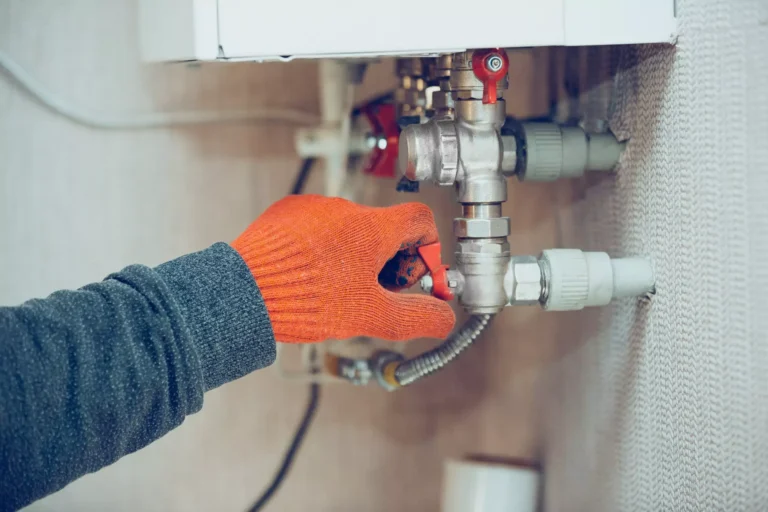
Converting from oil heating to natural gas represents one of the most significant upgrades homeowners can make to their heating systems. At W.B. Steward & Son, we specialize in complete oil to gas conversion projects that transform outdated heating systems into efficient, modern solutions. The conversion process involves removing existing oil tanks, disconnecting oil-burning equipment, and installing new gas lines, meters, and heating units designed specifically for natural gas combustion. Our elite team handles every aspect of the conversion, from initial assessment through final inspection, ensuring a seamless transition that minimizes disruption to your daily routine.
The technical aspects of oil to gas conversion require extensive expertise in both fuel systems. Natural gas burns at approximately 1,950 degrees Fahrenheit compared to heating oil’s 2,100 degrees, necessitating different burner designs and combustion chamber configurations. We install high-efficiency gas furnaces and boilers that achieve AFUE ratings between 90% and 98%, significantly exceeding the 80-85% efficiency typical of older oil systems. Our NATE Certified technicians understand these nuances and properly size equipment based on heat loss calculations, ensuring optimal performance throughout the Gloucester County.
Environmental and Economic Benefits
Natural gas produces approximately 30% less carbon dioxide than heating oil when burned, making conversion an environmentally responsible choice. Additionally, natural gas combustion generates minimal particulate matter and virtually no sulfur dioxide emissions, contributing to improved air quality both inside and outside your home. We’re committed to helping reduce environmental impact while delivering superior heating performance, and our team provides comprehensive guidance on available rebates and incentives that make conversion more affordable.
The economic advantages extend beyond initial rebates. Natural gas prices have remained consistently lower than heating oil over the past decade, with homeowners typically saving 20-40% on annual heating costs after conversion. Maintenance expenses also decrease substantially since gas systems don’t require annual tune-ups as frequently as oil systems, and there’s no need for oil filter replacements or tank cleaning. We offer financing options to help manage upfront conversion costs, and our free estimates include detailed projections of long-term savings based on your specific usage patterns.
The Conversion Process
Our systematic approach to oil to gas conversion begins with a thorough evaluation of your existing heating system and property layout. As a Bryant Factory Authorized Dealer, we assess factors including current ductwork condition, electrical service capacity, gas main proximity, and local permit requirements. The evaluation determines whether your home requires a simple boiler replacement or more extensive modifications to accommodate modern high-efficiency equipment.
Physical conversion typically occurs over two to three days, though complex installations may require additional time. Our team coordinates with utility companies to establish gas service, installs new gas piping to code specifications, and removes oil tanks following environmental regulations. We handle all permit applications and inspections, ensuring compliance with local codes. Throughout the process, we maintain clear communication about project status and timeline adjustments. Because we offer emergency service and never leave someone in the lurch, you can trust that any unexpected issues will be addressed promptly.
Safety Considerations and Compliance
Safety remains paramount throughout every conversion project. Our National Comfort Institute Certified Carbon Monoxide and Combustion Analysts conduct thorough testing to ensure proper ventilation and combustion efficiency. We install carbon monoxide detectors in accordance with state regulations and verify that all gas connections meet stringent safety standards. Modern gas heating systems include multiple safety features such as flame rollout switches, limit controls, and pressure switches that prevent operation under unsafe conditions.
Oil tank decommissioning requires particular attention to environmental protection. We follow EPA guidelines for tank removal or abandonment in place, including soil testing when necessary. Underground storage tanks pose unique challenges, potentially requiring excavation and remediation if leakage has occurred. Our experienced team coordinates with environmental consultants when needed, managing the entire process to protect both your property and the surrounding environment.
Advanced Gas Heating Technologies
Today’s gas heating systems incorporate sophisticated technologies that maximize efficiency and comfort. Modulating burners adjust flame intensity based on heating demand, maintaining consistent temperatures while minimizing fuel consumption. Variable-speed blowers optimize airflow for improved comfort and reduced operating noise. We install smart thermostats that learn your schedule and preferences, automatically adjusting temperatures for optimal efficiency.
- Condensing Technology: Extracts additional heat from exhaust gases, achieving efficiencies above 95%
- Zoning Systems: Provide independent temperature control for different areas
- Integration Capabilities: Connect with home automation systems for remote monitoring and control
These advanced features represent significant improvements over traditional oil heating systems, delivering superior comfort while reducing energy consumption. We fix problems that other companies won’t, including retrofitting challenging installations to accommodate modern equipment. Our devoted team ensures every system operates at peak efficiency, providing exceptional care that has formed many lasting relationships with customers over the years.