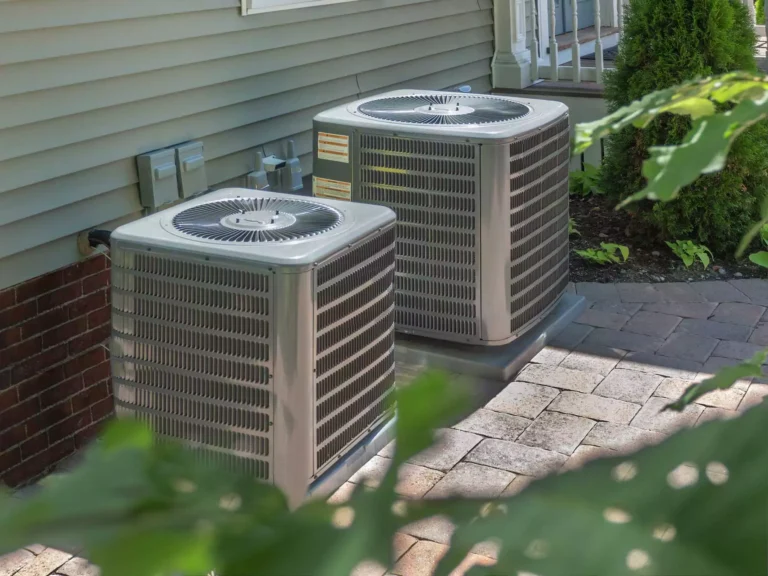
Understanding VRF Systems and Their Revolutionary Impact on Climate Control
Variable Refrigerant Flow technology represents one of the most significant advancements in HVAC engineering over the past two decades. At W.B. Steward & Son, we’ve witnessed firsthand how these systems transform the way buildings manage temperature control, energy consumption, and occupant comfort. VRF systems operate by modulating the amount of refrigerant flowing to multiple indoor units from a single outdoor condensing unit, allowing for precise temperature control in different zones simultaneously. This technology originated in Japan in the early 1980s and has since captured approximately 48% of the global HVAC market share in multi-zone applications.
The fundamental principle behind VRF involves using refrigerant as both the cooling and heating medium, eliminating the need for water pipes and ductwork in many applications. Our elite team has installed hundreds of these systems throughout Gloucester County, and we’ve observed energy savings averaging 30-40% compared to traditional HVAC configurations. The technology employs inverter-driven compressors that can adjust their speed to match the exact cooling or heating demand, rather than cycling on and off like conventional systems.
Technical Components and System Architecture
The architecture of a VRF system consists of several critical components working in harmony. The outdoor unit houses variable-speed compressors, heat exchangers, and sophisticated control boards that manage refrigerant flow. Indoor units, which can number anywhere from 2 to 64 depending on the system capacity, contain electronic expansion valves, fan coils, and individual controllers. We connect these components using copper refrigerant piping, with some installations requiring runs up to 1,000 feet in length. The refrigerant itself, typically R-410A or the newer R-32, circulates through the system at varying pressures and temperatures controlled by advanced algorithms.
Our NATE-certified technicians understand the intricate balance required in these systems. Branch controllers, also known as refnet joints, distribute refrigerant to multiple indoor units while maintaining optimal pressure differentials. Each indoor unit contains sensors monitoring return air temperature, supply air temperature, and refrigerant pressure, transmitting this data to the central controller every few seconds. This constant communication enables the system to make micro-adjustments, maintaining temperatures within 0.5°F of the setpoint. As a Bryant Factory Authorized Dealer, we offer emergency service for these sophisticated systems, ensuring no one is left without essential climate control when problems arise.
Installation Considerations and Design Flexibility
Installing VRF systems requires meticulous planning and expertise that goes beyond traditional HVAC installation. Load calculations must account for simultaneous heating and cooling demands, diversity factors, and peak load conditions that might occur only a few times annually. We utilize advanced software modeling to determine optimal equipment sizing, considering factors like building orientation, window placement, occupancy patterns, and internal heat gains from equipment and lighting.
The design flexibility of VRF systems allows for creative solutions to challenging architectural constraints. Indoor units come in various configurations including wall-mounted, ceiling cassette, concealed ducted, and floor-standing models, each with capacities ranging from 0.5 to 12 tons. We’ve successfully integrated these systems into historic renovations where preserving architectural integrity was paramount, as well as new construction projects throughout Gloucester City, Mantua Township, Mullica Hill, Wenonah, West Deptford Township, Woodbury, Deptford Township, Glassboro, Paulsboro, and Sewell, NJ where maximizing usable floor space was critical. Refrigerant piping requires significantly less space than traditional ductwork, often fitting within standard wall cavities or above suspended ceilings with minimal clearance requirements.
Energy Efficiency Benefits and Performance Metrics
- Heat recovery capabilities: Allow simultaneous heating and cooling in different zones, transferring waste heat from cooling zones to areas requiring heating
- Partial load efficiency: Systems maintain high efficiency even at 20-30% capacity, where buildings operate most frequently
- Reduced distribution losses: Refrigerant piping experiences minimal thermal losses compared to air ducts, which can lose 20-30% of conditioned air
Our National Comfort Institute Certified Carbon Monoxide and Combustion Analyst credentials enable us to conduct comprehensive efficiency assessments, documenting actual performance against manufacturer specifications. Real-world coefficient of performance values typically range from 3.5 to 4.5, meaning every kilowatt of electricity produces 3.5 to 4.5 kilowatts of heating or cooling capacity.
Maintenance Requirements and Long-term Reliability
Proper maintenance ensures VRF systems deliver their promised 20-25 year service life. We recommend quarterly filter changes, annual refrigerant leak checks, and biannual coil cleaning to maintain peak efficiency. Our team addresses repairs in a timely and convenient manner while being diligent and thorough in identifying root causes rather than just treating symptoms. We fix problems that other companies won’t tackle, including complex refrigerant migration issues, oil return problems, and communication errors between system components.
Through our financing options and free estimates, we help property owners plan for both installation and long-term maintenance costs, ensuring their investment continues delivering value for decades.